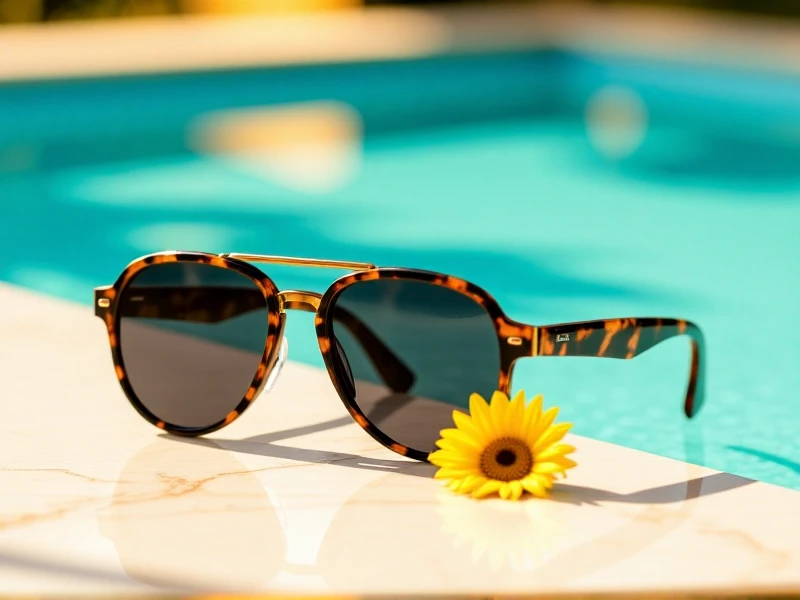
The Essential Guide to Polarized Sunglasses: Benefits, Selection, and Why You Need Them
Are you tired of squinting on bright days or dealing with blinding glare while driving or on the water? Polarized sunglasses offer a solution that's not just stylish but essential for comfort and eye health. Unlike regular sunglasses, these specialized lenses feature a unique filter that blocks intense horizontal light, reducing glare from surfaces like water, snow, or roads. This results in clearer vision, reduced eye strain, and better overall safety in outdoor activities. In this guide, we'll dive into the benefits of polarized sunglasses, how to pick the right pair, and some common myths debunked so you can make informed choices for your daily adventures.
First off, what makes polarized sunglasses so effective? The magic lies in their polarized lens technology. Ordinary sunglasses mainly darken overall light, but polarized versions go a step further by neutralizing reflected glare. Imagine you're fishing or boating on a lake: without them, the sun's bounce off the surface can cause headaches and blurry sight. Polarized lenses eliminate this hazard, letting you see underwater objects or spot hazards on the trail more easily. Plus, they provide 100% UV protection, guarding against harmful rays that can lead to eye conditions like cataracts over time. This dual action—glare reduction and UV shielding—makes them a smart choice for anyone active outdoors.
Now, what about the advantages? The key benefits start with enhanced visual comfort. By cutting glare, they prevent eye fatigue during long drives, hikes, or even beach days, so you enjoy activities longer without discomfort. Second, they boost safety: clearer vision means sharper reactions, from avoiding obstacles while cycling to spotting wildlife on forest paths. Third, many polarized options are durable, with materials like polycarbonate lenses that resist scratches. And don't worry about style—modern designs include sleek aviators, sporty wraparounds, and trendy round frames to suit any look. Whether you're a driver, surfer, or casual walker, these benefits add up to a better, more protected experience.
When choosing your polarized sunglasses, focus on fit and features for optimal results. Look for lenses with strong glare reduction and full UV protection (aim for labels like "UV400" to block 99-100% of UVA/UVB rays). Comfort matters too, so test frames for a snug fit that doesn't slip during activities. If you wear prescription lenses, many brands attach polarized films for convenience. Avoid common pitfalls, such as assuming all polarized sunglasses are created equal—cheaper knock-offs might reduce glare but lack proper UV defense, potentially harming your eyes. We recommend trying options in-store or checking reviews online for durability before buying. Remember, investing in a quality pair pays off in health and performance.
Some people worry polarized lenses aren't suitable for screens or night driving, but that's a myth. While they can make LCD screens look dim from certain angles, this effect is minor and outweighed by safety gains. Another misconception is that they're expensive; many affordable brands offer great value without sacrificing quality. In conclusion, polarized sunglasses aren't just accessories—they're essential tools for eye care and enjoyable living. Upgrade your eyewear today to see the world more clearly. For more tips or to explore our top picks, browse our collection and take the first step toward brighter days.